
 Showcase
4 photos
3D
Start typing
Showcase
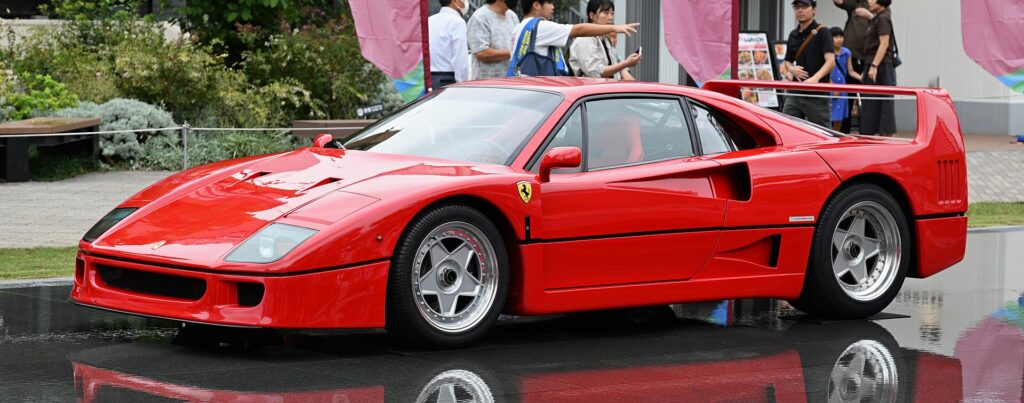
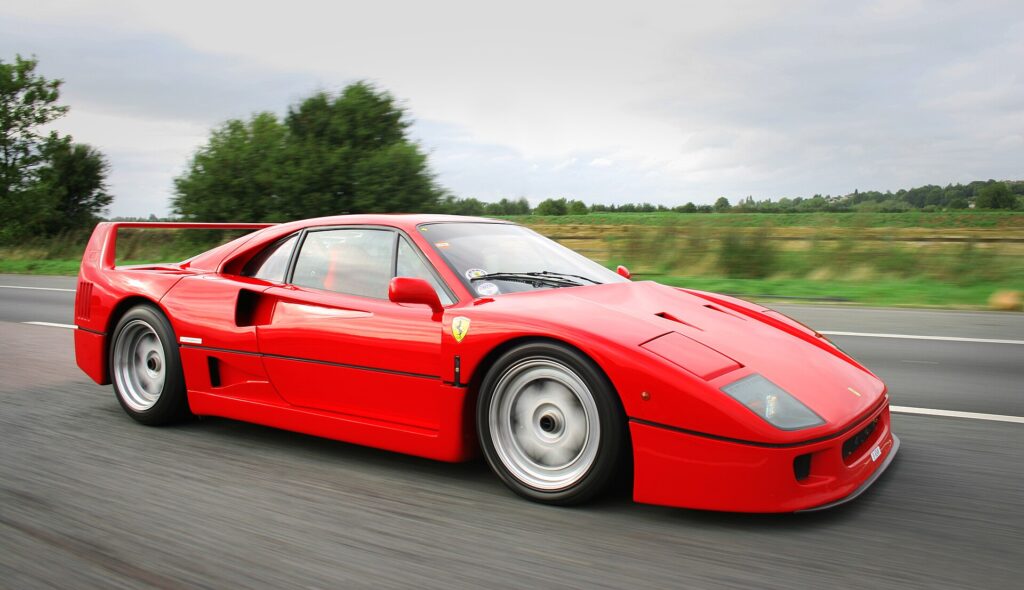
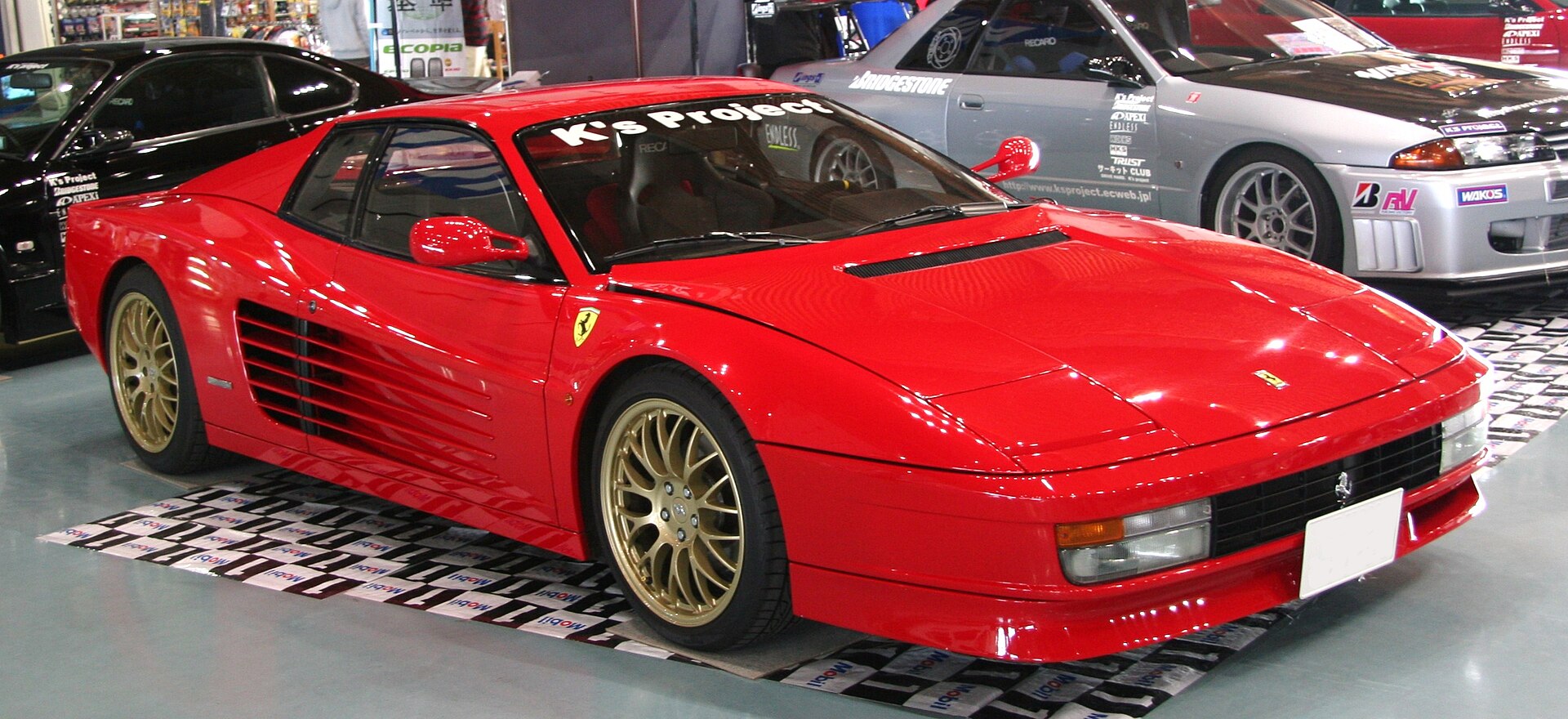
Original 1984 model
Photographs: TTTNIS, Public domain; JoachimKohler-HB, CC BY-SA 4.0; Handelsgeselschaft, CC BY-SA 4.0; Johannes Maximilian, CC BY-SA 4.0, via Wikimedia Commons. Illustrative of the model.
Curator’s note
The Testarossa replaced the 512 BBi in 1984 with a wider, more refined mid-engined flat-12. Its 4.9-litre engine made 390 CV, and the long side strakes fed air to radiators moved from the nose to the flanks.
The story
Pininfarina styled the Testarossa around its cooling. Moving the radiators to the sides cleared space for luggage up front and kept heat out of the cabin, and the strakes over the intakes became the car’s signature.
The name, meaning ‘red head’, refers to the red cam covers and recalls the 250 Testa Rossa racing cars of the late 1950s. The 512 TR replaced it in 1991.
Character
Dimensions
Early cars have a single high-mounted door mirror on the driver’s side.
The strakes were needed in several markets to comply with rules on large body openings.
Ferrari built 9,939 cars across the Testarossa, 512 TR and F512 M.
Weight figure is dry, without fluids.
Spin in 3D
Drag to turn · scrollpinch to zoom · right-drag to move
Loading the 3D model…
3D model "1984 Ferrari Testarossa (f110)" by Ddiaz Design (CC Attribution), via Sketchfab
Talk cars with us
Part of the Laqim showcase: remarkable cars gathered for people who love them. Photographs are credited where they come from public sources.
Showcase
4 photos
3D

 Showcase
4 photos
3D

 Showcase
2 photos
3D